

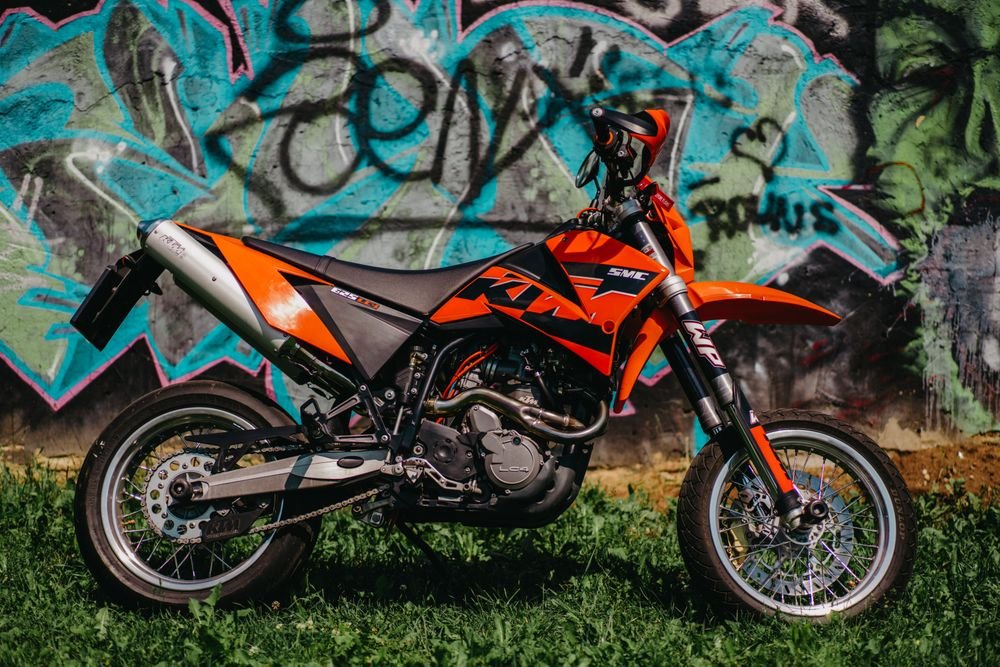
KTM is not shutting down tomorrow. But it is in serious financial trouble, and the difference between those two statements matters — especially if you own a KTM, work at a dealership, or are thinking about buying one.
Social media and YouTube are full of dramatic takes: “KTM is done,” “sell your bike now,” “it’s over.” Most of that is noise. The reality is more complicated and, honestly, more interesting than a simple collapse story.
This article breaks down what actually triggered the crisis, what “insolvency proceedings” means in plain terms, what KTM has already cut, and what realistic outcomes look like going forward.
KTM Is in Restructuring — Not Liquidation
The most important thing to understand is this: KTM’s parent company, Pierer Mobility AG, entered self-administered restructuring proceedings in late 2024. That is not the same as a shutdown order.
Think of it like Chapter 11 bankruptcy in the U.S. The company is legally insolvent — meaning it cannot meet its debt obligations — but it keeps operating while it works out a plan to reorganize. That is very different from Chapter 7, which is full liquidation, where the doors close and assets get sold off.
Pierer Mobility’s stated goal is to secure the continued existence of the group. That language comes directly from official communications, not from spin or wishful thinking.
When self-administration began on November 29, 2024, the company had roughly 90 days to present a creditor-approved reorganization plan. Companies like major U.S. airlines and automakers have gone through similar processes and come out the other side still operating. Insolvency does not automatically mean “out of business.”
The YouTube creators using phrases like “KTM Going Going Gone” are not wrong that there’s a serious problem. But their framing overstates the certainty of full closure, which official documents simply do not support.
How KTM’s E-Bike Business Caused a €1.2 Billion Loss
To understand how Pierer Mobility ended up here, you need to look at the e-bike division. This is where the damage started.
Pierer Mobility’s portfolio included KTM, Husqvarna, GasGas, MV Agusta, and a large e-bike business. The e-bike side was supposed to be a growth play. Instead, it became a financial disaster.
According to analyst estimates, the e-bike business generated over €100 million in EBIT losses in 2024 alone. It also produced roughly €400 million in negative free cash flow in a single year. Extended dealer payment terms meant cash was slow coming in. Excess inventory meant bikes were sitting unsold, tying up capital that the company needed to operate.
Those inventory write-offs swung the balance sheet hard. When you combine overproduction across the whole group — motorcycles included — with a collapsing e-bike business, the losses compound quickly.
The total reported loss for the relevant period came to nearly €1.2 billion, according to Motorcycle Sports. Total claims against the company from banks, suppliers, and employees are estimated at approximately €2.5 billion, based on analyst commentary. These figures are not all from audited reports, so treat the specific numbers as indicative rather than definitive — but the scale of the problem is not in dispute.
Revenue also dropped sharply. One YouTube analysis reported revenue down 27% in the first half of 2024, with negative operating results. That kind of drop, combined with a money-losing division and rising debt, is what pushed the company into restructuring.
What Pierer Mobility Is Selling and Cutting
The restructuring is not passive. The company has been making real decisions to reduce its size and raise cash.
Exiting E-Bikes Entirely
Pierer Mobility has announced a full exit from the e-bike business. This does not mean KTM is abandoning all future electric ideas — it means the current e-bike division is being wound down to stop the bleeding. The core motorcycle business is the priority now.
Selling MV Agusta
On Christmas Day 2024, KTM announced plans to sell MV Agusta. This is part of a broader effort to raise roughly €800 million needed to support the restructuring. MV Agusta is a well-known Italian brand, but it was a non-core asset in the context of what KTM needs to survive.
Staff Reductions
Approximately 300 employees were cut as part of the initial reorganization plan. That’s a meaningful reduction but not the scale you’d see if the company were winding down entirely.
Creditor Agreement
In February 2025, creditors approved a restructuring plan that has KTM paying roughly 30% of filed claims — approximately €525 million, according to analyst estimates. That’s a significant haircut for creditors, but it also means the plan was accepted rather than rejected, which is an important distinction.
The picture of what KTM looks like after all this: a leaner, motorcycle-only business. Before the crisis, Pierer Mobility ran KTM, Husqvarna, GasGas, MV Agusta, and a major e-bike division. After restructuring, the plan points to motorcycle brands only, with e-bikes gone and MV Agusta sold off.
Production Has Stopped — Temporarily
This part is real and worth taking seriously if you are a buyer or dealer.
KTM froze production during the initial restructuring period. UK dealer Triple D Motosport reported a complete production pause in January and February. That meant fewer bikes arriving at dealerships during that window.
Then in mid-2025, the Mattighofen factory was shut down again — this time until late July — due to supply chain issues. According to RideApart, CEO Gottfried Neumeister explained that component stock was only enough for about 4,200 motorcycles. Once that supply ran out, essential parts weren’t available to keep the line running.
That’s a real-world example of how a financial crisis ripples into operations. Suppliers tighten credit terms or slow deliveries when they’re worried about getting paid. That in turn slows production, which limits what dealers can sell.
The important note here: these are reported as temporary pauses tied to restructuring and supply chain disruptions, not a permanent shutdown of manufacturing.
What This Means If You Own or Want to Buy a KTM
If you already own a KTM, the practical risks right now are mostly around parts delays and dealer uncertainty — not immediate warranty void or disappearance of the brand. KTM dealers continue operating, and no official announcement has stated that warranties are invalid. That said, if the investor process fails and the company cannot confirm its going-concern status, the picture could change.
If you are thinking about buying a new KTM, the honest answer is: there is more uncertainty than usual. Production pauses mean inventory may be limited. Lead times may be longer. And the medium-term direction of the company depends on whether the restructuring fully succeeds and new investors come through.
That doesn’t mean you shouldn’t buy one. It means you should go in with open eyes, ask your dealer what their current allocation looks like, and pay attention to what Pierer Mobility announces over the next few months.
What About Bajaj — and Who Might End Up in Control?
Bajaj Auto, the Indian manufacturer, is already a major shareholder and long-time manufacturing partner for KTM. Analysts following the restructuring suggest Bajaj is likely to become the majority owner once the dust settles.
If that happens, KTM continues — but possibly with more Indian manufacturing involvement and a shift in where decisions get made. That’s not a death sentence for the brand. Bajaj has a direct interest in keeping KTM alive and competitive, given how closely the two companies already operate.
There has also been speculation about BMW or other manufacturers stepping in. Those remain unconfirmed rumors as of this writing, and you should treat them as such.
For anyone tracking this from a business angle, Alpha Business Daily covers restructuring cases and corporate strategy across industries — worth bookmarking if you want context beyond the motorcycle world.
The Bottom Line
KTM is not going out of business in the way most people imagine when they hear that phrase. It is in a serious, ongoing financial restructuring that has already forced major cuts, temporary production shutdowns, and the sale of assets.
The e-bike business was the trigger. Overproduction and debt made it worse. The company is now smaller, focused on motorcycles, and working through a creditor-approved plan.
Whether KTM fully recovers depends on things that are not yet settled: finding investors, confirming the going-concern assumption with auditors, and executing the leaner operational model. Those outcomes are not guaranteed.
But “in serious trouble” and “going out of business” are not the same thing. Right now, the honest answer is that KTM is fighting to survive — and that fight is not over yet.
Read Also: