




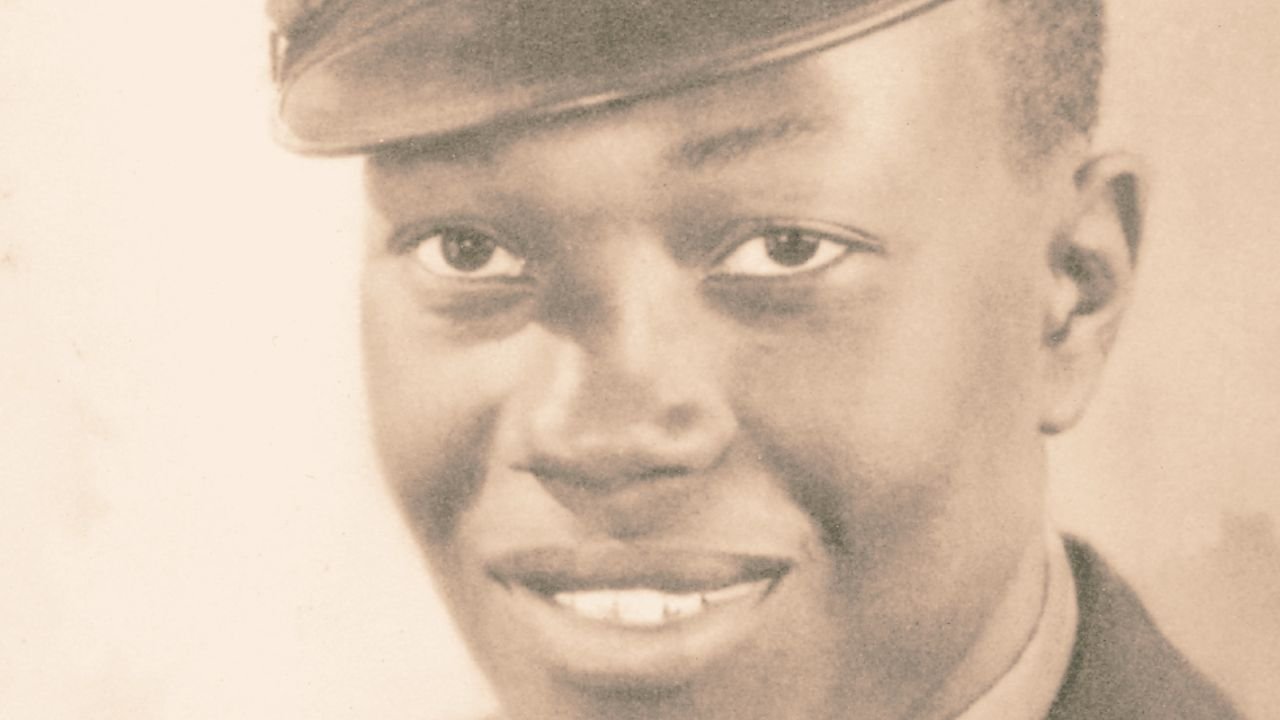
If you’ve read Maya Angelou’s autobiographies, you already know “Bailey.” He shows up on nearly every page of her early life — sharp, funny, loyal, and always at her side. But the name in those books belongs to a real person: Bailey James Johnson Jr., Maya Angelou’s older brother.
For many readers, that’s where the trail goes cold. He wasn’t a public figure. He didn’t write books or give interviews. Most of what we know about him comes from his sister’s words and a handful of genealogy records. This article pulls that information together clearly, so you know exactly who he was, where he fits in Maya Angelou’s family, and how to avoid mixing him up with the several other men named Bailey Johnson Jr. who appear in historical databases.
Who Was Bailey James Johnson Jr.?
Bailey James Johnson Jr. was born in 1927 and died in 1999. He was the older brother of the poet and memoirist Maya Angelou, who was born Marguerite Annie Johnson in 1928.
Beyond those basic facts, he lived a private life. He was not a public figure in his own right, and there is no notable public record of a career, published work, or public role. Most people encounter his name either through Maya Angelou’s books or through genealogy sites like Geni, which records his full name, birth and death years, parents, and his sibling relationship to Angelou.
It’s worth saying clearly: the reason anyone searches for him today is almost entirely because of his sister’s extraordinary life and writing. That’s not a small thing. Being the person Maya Angelou called her closest companion in childhood is itself a significant place in literary and cultural history.
His Parents and the Johnson Family Tree
Bailey James Johnson Jr.’s father was Bailey J. Johnson, born in 1902 and died in 1968. Genealogy records on Geni identify Bailey J. Johnson as the father of both Maya Angelou and Bailey James Johnson Jr. His listed occupations were doorman and Navy dietician.
His mother was Vivian Althea Baxter Johnson, widely known to readers of Angelou’s work simply as Vivian Baxter. She is portrayed throughout the autobiographies as a striking, independent, and strong-willed woman — a figure who fascinated and sometimes overwhelmed her children in equal measure.
The marriage between Bailey Sr. and Vivian didn’t last. After the split, Maya and her brother Bailey were sent from California to live with their paternal grandmother, Annie Henderson, in Stamps, Arkansas. This moment — two young children traveling alone across the country by train — is one of the most memorable passages in I Know Why the Caged Bird Sings. It also shaped nearly everything about both of their childhoods.
In literary discussions of the autobiography, Bailey Sr. is sometimes called “Daddy Bailey” to distinguish him from his son. He does appear in the story, particularly when Maya and her brother visit him in California, but his presence in their daily lives was limited during their formative years in Stamps.
The “Bailey” in Maya Angelou’s Autobiographies
In I Know Why the Caged Bird Sings, Maya Angelou’s first and most widely read autobiography, Bailey Jr. is a constant presence. She describes him as her best friend, protector, and emotional anchor throughout their childhood in Stamps.
He comes across as socially confident in a way that young Maya was not. He had an easy charm with people, a sharp wit, and an ability to navigate difficult situations that his quieter, more inward sister admired deeply. For Maya, who struggled with trauma, self-doubt, and the harsh realities of Jim Crow-era Arkansas, her brother represented something steady and familiar.
His reactions to the world around him — to racial injustice, to their absent parents, to the small cruelties and kindnesses of Stamps — helped shape how Maya saw and understood her own experiences. That kind of influence doesn’t always leave a paper trail, but it leaves a mark on a writer’s work, and it certainly did here.
Angelou’s later autobiographies also reference Bailey as her life moved into adulthood. Without speculating on details that aren’t publicly documented, it’s fair to say their paths diverged over the years, as siblings’ lives often do. But the bond established in childhood clearly stayed with her, and it stayed on the page.
For students writing about I Know Why the Caged Bird Sings, knowing that “Bailey” is a real person — Bailey James Johnson Jr. — adds weight to the text. These weren’t fictional characters shaped purely for narrative effect. They were real siblings living through real circumstances, and the emotional truth of the book reflects that.
Why Multiple “Bailey Johnson Jr.” Records Appear Online
If you search for Bailey Johnson Jr. on genealogy sites, you’ll quickly run into a problem: there’s more than one of them.
The most commonly encountered example is Bailey Johnson Jr. (1889–1978), a man from Clarksville, Montgomery County, Tennessee. His father was Bailey Johnson Sr., born in 1856, and his mother was Louisa M. Barksdale. He is listed on both FamilySearch and Find a Grave, and he has his own documented family line, including a spouse named Margaret Lee “Maggie” Ussery.
This Tennessee man has no known connection to Maya Angelou’s family. He belongs to a completely separate family line from a different time and region.
MyHeritage and other genealogy aggregators list even older records — including a Bailey Johnson born in 1852 — which shows just how widely the name was used across different communities and generations in American history.
The way to identify the correct person is straightforward: look for the combination of the right birth year (1927), the right death year (1999), the right parents (Bailey J. Johnson born 1902, and Vivian Althea Baxter), and the sibling relationship to Maya Angelou. Those details, found in Geni’s records, point clearly to Bailey James Johnson Jr. — not any of the earlier Tennessee or Southern Johnson lines.
If you’re researching your own family history and think you might be connected to the Johnson or Baxter families, that’s worth exploring carefully through proper genealogical sources. But shared surnames alone aren’t evidence of a connection. The dates, locations, and family relationships all need to line up.
What the Historical Record Does and Doesn’t Tell Us
It’s honest to acknowledge the limits here. Outside of genealogy entries and what appears in Maya Angelou’s autobiographical writing, there is very little documented public information about Bailey James Johnson Jr.’s adult life.
We don’t have verified details about his career, his own family, or how he spent the decades between his childhood and his death in 1999. He was a private person, and the public record reflects that. Filling in those gaps with guesswork wouldn’t serve anyone well.
What we do have is meaningful: confirmed names, dates, and family relationships from genealogy records, and a rich portrait of who he was as a child and young person, drawn by one of the most gifted writers America has produced. That’s more than many private individuals ever receive.
For readers interested in the broader cultural and social world that shaped both Maya and Bailey’s childhood — the realities of Black life in the American South during the 1930s and 1940s, the Great Migration, the experience of being raised by a grandmother while parents were absent — Maya Angelou’s own writing remains the most detailed and honest source available.
Coverage of literary families and cultural history is something Open Business Mag approaches with the same commitment to accuracy and context.
His Place in the Larger Story
Bailey James Johnson Jr. was not famous. He didn’t seek attention, and the public record doesn’t show that he pursued a public life. But his place in Maya Angelou’s story is real, documented, and genuinely significant.
He was the person she grew up alongside during some of the hardest years of her childhood. He was the one who understood her world from the inside, because it was his world too. And when she sat down to write about those years — in one of the most celebrated American memoirs of the 20th century — he was there on every page.
That’s not a small legacy for a private person. It’s a quiet one, but it’s lasting.
If you’re researching him for a school assignment, tracing your family tree, or simply curious after finishing I Know Why the Caged Bird Sings, the key facts are these: his full name was Bailey James Johnson Jr., he was born in 1927, he died in 1999, and he was the older brother of Maya Angelou. Everything else worth knowing about who he was as a child lives in his sister’s extraordinary words.
Also Read: